
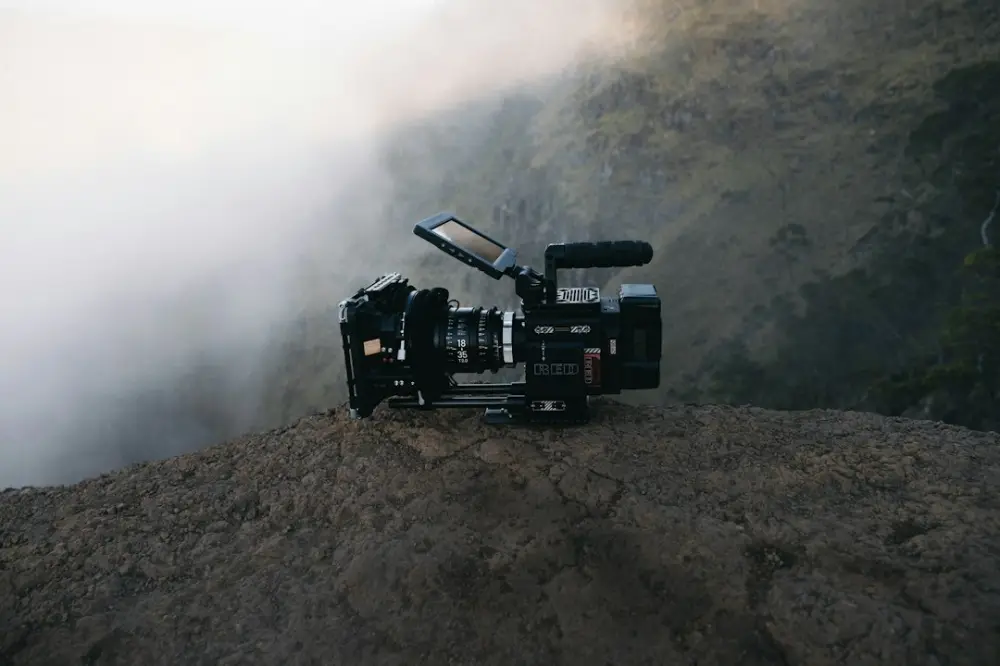
Balancing production tools and creative intent is the practice of ensuring that technical equipment and software serve the story rather than distracting from it. In brand video, this means prioritizing the core message and emotional impact—the creative intent—while using production tools as a means to execute that vision with precision and efficiency.
In a professional setting, it is easy to get sidetracked by the technical specifications of a new camera sensor or the latest editing software update. However, high-end gear cannot fix a hollow narrative. Successful video production focuses on how specific technical choices, such as focal length or color grade, amplify the brand’s unique voice.
What is Creative Intent in Brand Video?
Creative intent is the underlying purpose behind every visual and auditory choice in a project. It is the "why" that guides the "how." For instance, if a B2B software company wants to convey reliability and transparency, the creative intent might manifest as clean, high-key lighting and a steady, eye-level camera angle. This approach builds trust through visual stability.
Without a clear sense of creative direction in film and media:, production often becomes a collection of pretty shots that fail to convert or communicate. An example of this is a brand film that uses heavy slow-motion and anamorphic flares for a product that is meant to be perceived as fast and efficient. The tools (the camera and lenses) are working against the intent (speed), resulting in a confusing message for the viewer.
Why Gear Should Not Dictate the Story
Technology should be a servant to the script, not the other way around. Gear acquisition syndrome often leads producers to use a specific piece of equipment—like a heavy-duty cinema crane or a complex 360-degree rig—simply because they have it, even if the scene calls for a simple, intimate tripod shot. When the gear dictates the story, the final product often feels over-produced and artificial.
Consider a documentary-style brand story filmed in a local workshop. Using a massive, multi-person camera crew with large LED panels might intimidate the subjects and ruin the authenticity of the environment. In this scenario, a small mirrorless setup using natural light better serves the creative intent of capturing "real life." The goal is to select the minimum amount of technology required to achieve the maximum emotional impact.
Defining Your Message Before Production
To keep tools and intent in balance, the message must be finalized before a single light is plugged in. This prevents the technical team from making assumptions that might conflict with the brand’s goals. Following a structured approach ensures that every technical decision is rooted in the narrative.
- Identify the Primary Emotion: Determine if the viewer should feel inspired, challenged, or reassured.
- Draft the Core Narrative: Write a script or outline that focuses on the human element or the problem-solving aspect of the brand.
- Create a Visual Style Guide: Define the color palette and framing styles that match the brand's personality.
- Select the Toolset: Choose cameras, microphones, and editing platforms that specifically enable those visual and emotional goals.
By establishing these steps, you create a filter through which all technical requests must pass. If a proposed tool doesn't support the primary emotion or narrative, it is likely an unnecessary distraction.
Practical Steps for Harmonizing Gear and Vision
To ensure your production remains focused on the brand's objectives, follow these tactical maneuvers during the pre-production and execution phases.
- Start by articulating the "emotional anchor" of your project in a single sentence before selecting any camera bodies or lens sets.
- The first step in your technical planning should be a gear audit where you cross-reference every piece of equipment against your creative brief to eliminate unnecessary technical clutter.
- To begin the lighting setup, prioritize the narrative mood and character depth over simply achieving a safe technical exposure.
- Next, implement a "subtraction" pass during the rough cut to remove any visual effects or transitions that do not directly reinforce the core brand message.
- Finally, perform a delivery check to ensure the technical export settings preserve the intentional color grade and sound design for the specific viewing platform.
Balancing Vision and Technical Efficiency
Efficiency is the bridge between a creative dream and a finished file. While the artistic vision sets the bar, the technical workflow determines if the project can be completed on time and within budget. Understanding the production workflow explained: from concept allows a team to allocate resources where they matter most.
For example, in a project with a tight turnaround, choosing to shoot in a highly compressed video codec might be a technical sacrifice, but it allows for faster editing and delivery. This is a practical balance: you are sacrificing a small amount of post-production flexibility to ensure the creative intent (timely communication) is met. Using proxy workflows in software like DaVinci Resolve or Adobe Premiere Pro is another way to maintain high-end visual intent without being slowed down by massive file sizes.
Video Integration Trends for 2026
As we move through 2026, the way video is integrated into digital spaces is shifting toward seamless, low-friction experiences. Websites are moving away from heavy, auto-playing headers that slow down page loads, opting instead for optimized, short-form background loops that use modern formats like AV1 or HEVC. These tools allow for high-quality visuals without compromising the user experience.
Another trend is the use of interactive video layers where viewers can click elements within the frame to learn more. This requires a tight balance between the creative design of the video frame and the technical implementation of the code. The intent here is engagement, and the tools—such as specialized VAST/VPAID players—are used to transform a passive viewing experience into an active one. According to Wikipedia's overview of interactive video, this technology significantly increases user retention when the interface is intuitive.
Privacy: Why LinkedIn Respects User Data
In the context of B2B video distribution, privacy has become a cornerstone of creative strategy. Platforms like LinkedIn have maintained a reputation for respecting user data by prioritizing first-party engagement over intrusive third-party tracking. For video creators, this means that the success of a campaign relies more on the quality of the content and less on hyper-targeted data mining that may be blocked by privacy settings.
When you produce a video for LinkedIn in 2026, your creative intent must be strong enough to earn an organic click. Since data privacy laws continue to tighten globally, brands can no longer rely on "stalking" users with ads. Instead, the focus has shifted back to creating high-value, educational, or entertaining video content that users choose to watch. This environment rewards videos that are technically polished but fundamentally human-centric.
Explore Video Categories and Start a Project
The final stage of any production involves looking back at the original goals to ensure the tools didn't overwhelm the message. Whether you are producing a corporate documentary, a product launch, or a social media series, the objective remains the same: use the technology to make the brand's story feel more vivid, not more complicated. Practical production is about making smart choices in the field so that the edit feels effortless.
At Eddie Saeta, the philosophy centers on this exact equilibrium. By grounding every technical decision in a deep understanding of audiovisual storytelling, the production process becomes a streamlined path toward a clear visual identity. Balancing the latest industry tools with a firm grip on creative intent ensures that every frame serves a purpose, helping brands communicate with clarity and impact across all platforms.