
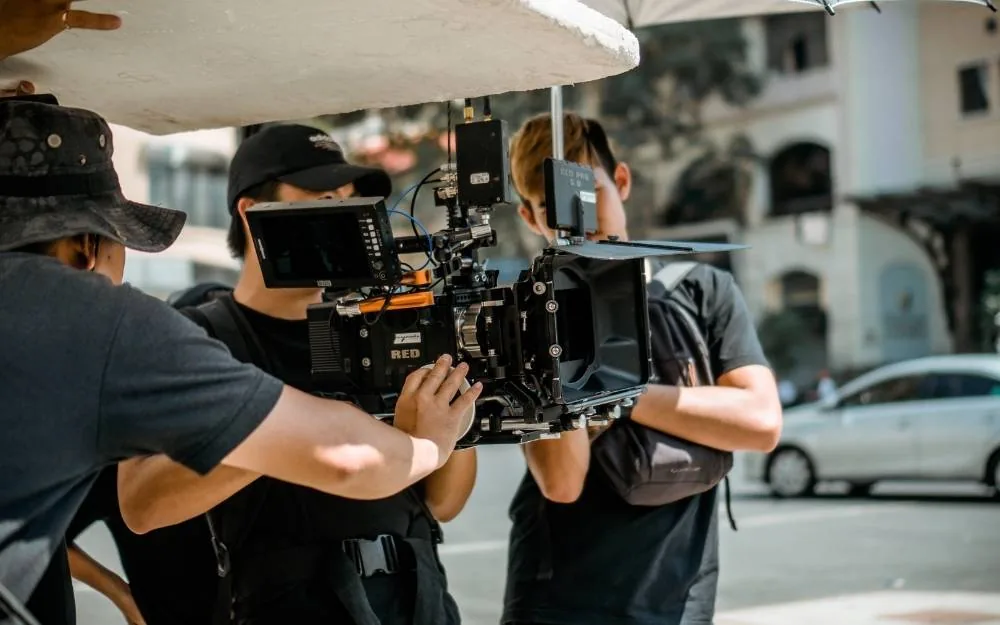
Film production is a layered, intentional process—not a spontaneous act. Every frame audiences see on-screen is the result of countless decisions, revisions, and coordinated effort across creative and technical teams. Understanding the full production workflow reveals just how structured the filmmaking journey truly is. From initial idea to final export, each phase plays a critical role in shaping the final outcome. <h3><strong>1. Concept & Development: Where Ideas Take Shape</strong></h3> Everything begins with intention. The concept phase defines the story, message, and vision. Ideas are refined, scripts are drafted, treatments are written, and early feasibility decisions begin. This step determines whether a project can move forward creatively, financially, and logistically.
A strong development phase saves enormous time later—it ensures everyone understands the “why” before executing the “how.” <h3><strong>2. Pre-Production: Planning Without Compromise</strong></h3> Once the concept is locked, planning becomes the priority. Pre-production involves assembling the team, scouting locations, scheduling, rehearsing, storyboarding, and finalizing budgets. Production design, costume direction, and technical planning also occur here.
This is the phase where decisions shift from theoretical to practical, defining the framework for execution.
Without a disciplined pre-production process, even the best idea collapses once cameras roll. <h3><strong>3. Production: Capturing the Vision</strong></h3> The production phase is where the script becomes reality. Directors communicate creative intention, cinematographers establish visual tone, and actors bring characters to life. Every shot is executed with purpose—lighting, sound, camera movement, performance, and timing must align.
Though production is often viewed as the “main event,” it’s only one piece of a broader system.
Efficiency here comes from one thing: excellent pre-production.
<img src=""more-posts">← All articles