
The Corporate Video Crisis: Why Safe Content is No Longer Effective
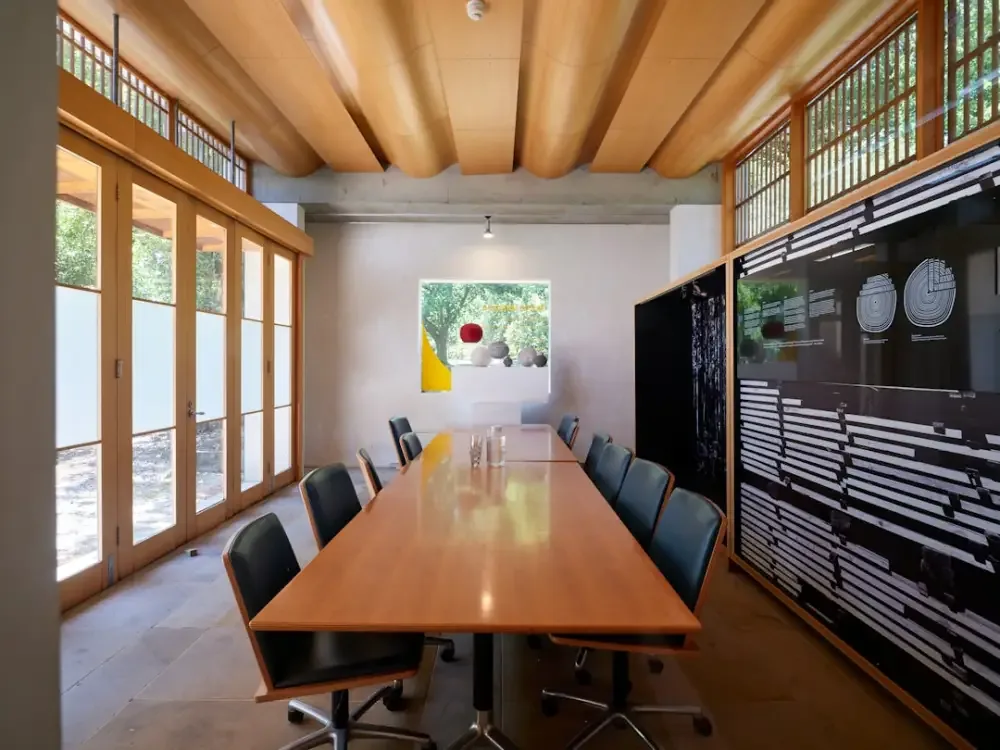
For decades, the B2B sector has operated under a self-imposed mandate: professionalism equals sterility. We have all seen the template. A CEO sits in a glass-walled boardroom, speaking in measured tones about 'synergy' and 'scalable solutions,' while generic stock footage of people shaking hands overlays the mid-section. It is safe. It is predictable. And in today’s attention economy, it is a recipe for invisibility.
As an observer of the audiovisual landscape, I’ve watched the line between B2B and B2C marketing blur until it has almost vanished. The decision-makers at Fortune 500 companies are the same people who spend their evenings scrolling through high-octane TikToks and cinematic YouTube essays. Their brains do not switch off their desire for entertainment and emotional resonance the moment they log into LinkedIn. Yet, many B2B brands continue to produce content that feels like a digital version of a white paper. It is time for a creative intervention.
The Myth of the Rational B2B Buyer
The primary justification for boring B2B video is the belief that business decisions are purely rational, driven by data and ROI. While logic plays a part, the psychological reality is different. Even in a corporate setting, humans are moved by narrative, conflict, and resolution. When a brand chooses to be 'boring,' they aren’t being professional; they are being forgettable.
The Consumerization of Professional Expectations
We are currently witnessing the 'consumerization' of the professional space. This shift suggests that the quality of content a person consumes in their private life dictates what they expect in their professional life. If a B2B brand produces a video with poor lighting, a static script, and no narrative arc, it sends a subconscious signal that the brand is out of touch. In contrast, a brand that utilizes creative direction and high-quality production value signals innovation and authority.
Why 'Safe' Content is Actually Your Riskiest Move
In marketing, the greatest risk is not being bold; it is being ignored. When a B2B brand produces a standard corporate video, they are competing in a saturated market where everyone else is doing the exact same thing. By sticking to the 'safe' route, you ensure that your message will be lost in the noise. To stand out, you must be willing to embrace a certain level of creative friction.
Strategic creativity isn't about being 'wacky' for the sake of it. It’s about using the tools of cinema—pacing, sound design, visual metaphors, and human storytelling—to make a message stick. If your video doesn't provoke a feeling, it likely won't provoke a sale. The cost of producing a boring video is not just the production budget; it is the opportunity cost of an audience that stopped watching after ten seconds.
The Anatomy of a Non-Boring B2B Video
So, what does it look like when a B2B brand stops being boring? It involves a fundamental shift in the production workflow, moving away from 'what we do' and toward 'why it matters to a human being.' Here are the pillars of modern, engaging B2B video content:
- Human-Centric Narrative: Focus on the person behind the problem, not just the software or service solving it.
- High Production Value: Utilizing professional cinematography and sound design to create an immersive experience.
- Emotional Hooks: Using humor, empathy, or even tension to grab attention within the first five seconds.
- Platform-Specific Optimization: Understanding that a video for LinkedIn requires a different rhythm than a video for a keynote presentation.
- Authentic Personality: Ditching the script-reading 'corporate voice' in favor of genuine, conversational language.
The Shift from Information to Transformation
The most successful B2B videos today don't just provide information; they promise a transformation. They use visual storytelling to show the viewer a better version of their professional reality. This requires a level of creative direction that many brands have historically shied away from. It requires treating a B2B product with the same cinematic reverence one might give a luxury car or a high-end fashion line.
Breaking the Third Wall
We are seeing a trend where B2B brands are breaking the 'third wall' of corporate stiffness. Whether it’s through behind-the-scenes content that shows the messy reality of production or through high-concept advertisements that parody industry tropes, the goal is the same: to build a human connection. When you show your audience that you understand their world—including its frustrations and absurdities—you build a level of trust that a polished corporate monologue can never achieve.
Final Thoughts: Embracing the New Standard
The era of the boring B2B video is coming to an end, not because brands want it to, but because the market demands it. As the digital space becomes more crowded, the only way to survive is to be interesting. This doesn't mean abandoning your brand's core values or professional integrity. On the contrary, it means having enough respect for your audience’s time and intelligence to give them something worth watching.
At Eddie Saeta, we believe that every brand, regardless of the industry, has a story that deserves to be told with visual excellence. By merging strategic marketing with the soul of filmmaking, B2B brands can finally stop being a background noise and start being a leading voice. It’s time to stop playing it safe and start making an impact.